Buying Guide
Best Duck Hunting Waders (2026)
Waders are the most failure-prone gear a waterfowler owns. Here is how to buy a pair that keeps you dry and warm - breathable vs neoprene, boot grams, zippers and fit - plus five picks across every budget.
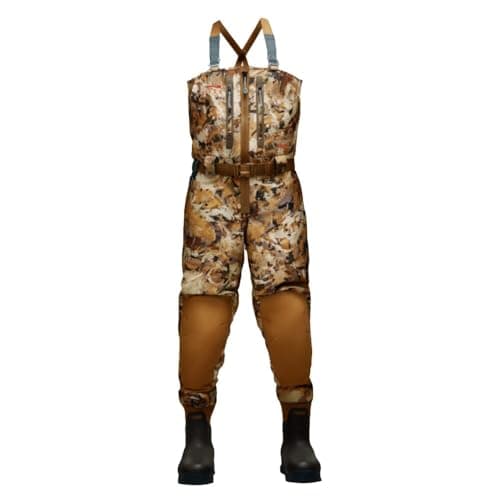
No piece of waterfowl gear works as hard or fails as often as waders. They get dragged over barbed wire, knelt into frozen mud, folded wet into truck beds, and asked to keep you bone-dry in December water — and when they fail, the hunt is over and the drive home is miserable. That is why wader advice is really durability-and-warmth advice, and why the price spread in this category — from about $150 to four figures — is wider than almost any other gear a duck hunter buys.
This guide covers the four decisions that sort the market — fabric type, insulation strategy, boots and fit, and the zipper question — and then five picks that span the whole budget range. Our picks are built from manufacturer specifications and independent published testing (Outdoor Life's multi-season wader test is the best in the business), not fabricated field trips. Prices are approximate as of 2026; verify current pricing before you buy.
Breathable vs neoprene: the market has picked a winner
For decades duck waders meant neoprene— the wetsuit material, usually 3.5 to 5mm thick. Neoprene is inherently warm, cheap to manufacture, and simple to patch. Its problems are just as inherent: it is heavy, clammy, exhausting to walk any distance in, and its warmth cannot be adjusted — the insulation is the suit.
Nearly every serious wader introduced in the last several years is instead breathable: a waterproof-breathable laminate (GORE-TEX on the premium end, multi-layer coated nylon elsewhere) sewn like a garment. Breathables are lighter, vastly more comfortable to hike in, and — the key idea — they carry no warmth of their own, so you tune insulation with layers underneath. Early-season teal in shirtsleeve weather and late-season ice in heavy fleece use the same pair.
| Breathable | Lighter, walk-friendly, layer-adjustable warmth - the modern default; costs more per unit of durability |
|---|---|
| Neoprene | Cheap, inherently warm, easy to patch - heavy and sweaty; still fine for short walks and cold sits on a budget |
| The trend | Premium and mid-price lines are now almost entirely breathable; neoprene persists mainly at the budget end |
Our advice follows the market: buy breathable if the budget allows, because the comfort gap is enormous and the layering flexibility covers the whole season. Budget neoprene still makes sense for the hunter who walks fifty yards to a blind and sits.
Boot insulation and layering
Your body has layers; your feet only have the boot, which is why boot insulation gramsare the one warmth spec you cannot fix later. Duck wader boots commonly run from 600g to 1,600g of Thinsulate-type insulation, and unlike hiking boots — where heavy insulation backfires on the move — waterfowl feet spend hours nearly motionless in water that pulls heat far faster than air. For most mid-to-late-season hunting, 1,200-1,600g boots are the safe call; only dedicated early-season or southern hunters should go lighter.
Above the boot, think like the layering system in our cold-weather clothing guide: merino or synthetic base, fleece or down mid-layers under breathable waders, and adjust to the forecast. A few waders split the difference with zip-in insulated liners — the Frogg Toggs pick below is the best-known — which effectively turn one pair into an early-season and a late-season wader.
Boots, fit, and walk-in comfort
Most wader misery is fit misery. Three things to get right:
- Boot fit and tread.Attached bootfoot waders are the waterfowl standard (stockingfoot is a fly-fishing thing), and boot quality varies wildly — sloppy, straight-sided boots suck off in the mud and blister on the levee walk. Brands increasingly put real boot design into waders; LaCrosse building its Alpha Agility boot into its waders is the clearest example, and Outdoor Life rated its boot fit the best they tested.
- Sizing for layers. Fit waders over the bulkiest layers you will actually wear, with enough room to high-step a levee and crouch in a layout blind. King and husky sizes exist for a reason; use the size charts rather than defaulting to your boot size.
- Reinforcement where you kneel. Look for heavier fabric or overlays on knees and shins - kneeling in a marsh is how most pinhole leaks start.
Zippers and features worth paying for
The single most-loved feature in modern waders is the waterproof front zipper. It sounds like a convenience item until you have used one: getting in and out without the shoulder-wrestling match, venting on warm walks, and — ask any duck hunter over forty — answering nature without undressing in a flooded field. The zipper adds cost and is the one component you must keep clean and waxed, but almost nobody who owns one goes back.
Features that earn their keep beyond the zipper: a roomy chest pocket with call and shell storage, handwarmer pockets, sturdy shoulder buckles that release with gloves on, and a wading belt— which is a safety item, not an accessory. Cinched at the waist, it traps air and slows water filling the legs if you go in over the top; wear it every hunt.
The picks at a glance
Five waders that cover the field from a budget starter pair to the premium standard. Prices are approximate as of 2026 — verify current pricing before buying.
| Wader | Fabric | Boot insulation | Front zip | Best for | Approx. price |
|---|---|---|---|---|---|
| Sitka Delta Zip | GORE-TEX | Insulated LaCrosse boot | Yes | Best overall / premium | ~$800-1,000 |
| LaCrosse Alpha Agility | Breathable nylon | 1,600g | Zip and non-zip versions | Best boots | ~$450-550 |
| Drake Guardian Elite | Breathable multi-layer | 1,600g | Zip and non-zip versions | Best mid-price | ~$500-600 |
| Frogg Toggs Grand Refuge 3.0 | Breathable + zip-out liner | 1,200g | No | Best value / 4-season | ~$350-450 |
| TideWe chest waders | Neoprene or nylon | 600-800g | No | Best budget | ~$130-180 |
Best overall: Sitka Delta Zip
The Sitka Delta Zip is the wader the rest of the market gets measured against — Outdoor Life's best overall across multiple seasons of testing. It is a GORE-TEX wader with a waterproof front zipper, heavy reinforcement at the knees and shins where waders actually die, and an insulated boot built by LaCrosse — a genuinely smart pairing of the two brands' strengths. Sitka has since rolled the design forward with the updated Delta Pro Zip GTX, claiming meaningfully better puncture and abrasion resistance from the new GORE-TEX laminate. Testers consistently describe the Delta as extremely comfortable and unusually light for how warm and tough it is.
Honest cons: the price. Depending on version and sales, expect roughly $800-1,000, which is more than many hunters' shotguns. Owner reports on warranty service turnaround are also mixed in busy season. If you hunt a handful of weekends a year, the value picks below are the smarter buy; if you live in your waders from teal season to ice, this is where the cost-per-hunt math points. Hunters shopping this tier should also look at Chene Gear's waders, the Delta's main rival for the premium crown, sold direct by Chene.
Who it's for: the many-days-a-season waterfowler who wants the most comfortable, most durable breathable wader and can amortize the price over years of hard use.
Best boots: LaCrosse Alpha Agility
LaCrosse has built duck-hunting rubber boots for a century, and the Alpha Agility wader is that expertise with a breathable upper sewn on. The boot is the star: Outdoor Life called its fit unmatched in their test, and it carries 1,600g of Thinsulate with an athletic, secure shape that does not slop around on a levee walk or suck off in the mud. The upper is a tough multi-layer breathable nylon, and the line comes in both standard and front-zip versions at prices that typically land around $450-550— several hundred dollars under the premium tier.
Honest cons: testers note the snug boot fit that makes it walk so well also makes the waders harder to pull off at the truck, and the fit through the leg is more athletic than roomy — size honestly over your late-season layers.
Who it's for:the hunter whose blinds are a real walk from the truck — if cold feet and boot fit are your top complaints, this is the pick.
Best mid-price: Drake Guardian Elite
Drake is the volume brand of American duck hunting, and the Guardian Elite is its workhorse breathable wader: multi-layer waterproof fabric with reinforced high-wear zones, 1,600g insulated bootsthat Outdoor Life called the best Drake has offered, and the deepest size run in the business — short, regular, king, and boot-size combinations that fit hunters the premium brands do not. Multiple versions (standard, front-zip, and insulated HND builds) typically land in the $400-600 range, squarely between the value picks and the Sitka tier.
Honest cons: they are heavier than the Sitka and LaCrosse, and Drake's fit is traditional and roomy rather than athletic — great for layering, baggier on the walk. Quality control chatter among owners is better than Drake's budget lines but not premium-tier silent.
Who it's for: the serious weekend waterfowler who wants near-premium warmth and durability, needs a real size run, and would rather keep several hundred dollars for shells and fuel.
Best value: Frogg Toggs Grand Refuge 3.0
The Grand Refuge 3.0 has the cleverest feature at its price: a zip-out insulated liner(120g quilted insulation) that turns one wader into a true four-season system — liner out for September teal, liner in for December. The shell is a breathable multi-layer nylon with reinforced knees, the bootfoot carries 1,200g of insulation, and street prices typically run $350-450, with sales regularly dipping lower. For a hunter buying one do-everything wader on a real budget, nothing else matches that flexibility.
Honest cons: no front-zip option at this price, the fabric and seam durability are honestly a tier below the picks above — owner patterns suggest more leak reports at the two-to- three-season mark — and the fit runs generous, so slim hunters swim a little. Frogg Toggs' warranty service is well regarded, which matters at this tier.
Who it's for: the value-focused hunter who hunts early and late season alike and wants one adaptable wader instead of two specialized ones.
Best budget: TideWe chest waders
TideWe is the budget disruptor of the wader market, selling direct-to-Amazon waders from roughly $130-180 that undercut the big brands by hundreds. You can choose 3.5mm neoprene or lighter nylon versions, boots run around 600-800gof insulation, and the feature list — chest pocket, shell loops, included carry bag — reads richer than the price. Enormous verified-owner bases rate them surprisingly well for what they cost, and for a first season, a backup pair, or the hunter who gets out a few times a year, they are the honest answer.
Honest cons: this is buy-cheap-buy-twice territory if you hunt hard — seam and boot durability do not match the picks above, warranty support is thinner, and the boots' insulation is light for late-season ice. Treat them as capable entry gear, not a Delta substitute.
Who it's for: new waterfowlers testing the sport, occasional hunters, and anyone who needs a functional spare pair in the truck for guests.
The bottom line
Buy breathable if you can, size over your real layers, and take boot insulation seriously — your feet are the first thing winter takes. The Sitka Delta Zip is the best wader money buys; the LaCrosse Alpha Agility wins on boots and walking comfort; the Drake Guardian Elite is the sensible serious-hunter middle; the Frogg Toggs Grand Refuge 3.0 and its zip-out liner are the value play; and TideWegets a new hunter into the marsh for the price of a case of shells. Whatever you buy, wear the wading belt and hang them to dry — those two habits add more seasons than any spec.
Waders keep you dry from the chest down; the rest of the system matters too. See our cold-weather layering guide for what goes underneath, and our hunting headlamp picks for the pre-dawn decoy set.
Frequently asked questions
Are breathable waders better than neoprene for duck hunting?
For most hunters, yes. Breathable waders are lighter, far more comfortable to walk in, and let you adjust warmth with layers underneath, so one pair covers September teal and December ice. Neoprene is inherently warm and cheaper but heavy, sweaty, and fixed in warmth. The market has largely moved to breathables; neoprene remains a fair choice for budget buyers who walk short distances and sit still.
How much boot insulation do duck hunting waders need?
For mid-to-late-season waterfowl hunting, 1,200-1,600 grams of Thinsulate-type insulation is the safe range - your feet sit nearly motionless in water that pulls heat much faster than air, so waterfowl boots run heavier insulation than hiking boots. Lighter 600-800g boots suit early-season and southern hunts. Unlike body warmth, you cannot fix a cold boot with layers, so buy the grams you need up front.
Are front-zip waders worth the extra money?
Most owners say yes. A waterproof front zipper makes getting in and out dramatically easier, vents heat on warm walks, and means you can answer nature without undressing in a flooded field. The trade-offs are a higher price and one more component to maintain - keep the zipper clean and waxed per the manufacturer. Almost nobody who hunts in a zip wader goes back to a non-zip.
Why do waders leak and can they be repaired?
Waders live a hard life - kneeling in frozen mud, barbed wire, thorns - so leaks are a when, not an if, with budget pairs failing sooner. Most punctures are field-repairable with aquaseal-type cement and patches, so keep a repair kit in the blind bag. Before buying, check the warranty and the brand's repair reputation, and extend wader life by hanging them to dry instead of leaving them wadded in the truck.
Do I really need to wear a wading belt?
Yes - it is a safety item, not an accessory. Cinched at the waist, a wading belt traps air in the legs and dramatically slows water filling your waders if you step in a hole or go over the top, buying you time to get to footing. Deep, cold water and waterlogged waders are a genuinely dangerous combination. Wear the belt on every hunt, snugged, no exceptions.
Sources
Keep reading
Gearing up before your next hunt?
See how we evaluate gear, then dig into the reviews and buying guides — written without inventory to sell.