Buying Guide
Best Backpacking Tents: How to Choose (2026)
Every ounce of a backpacking tent rides on your shoulders, so the buying math is different: weight first, then livability, then price. Here is how to read the specs - and five tents worth carrying.
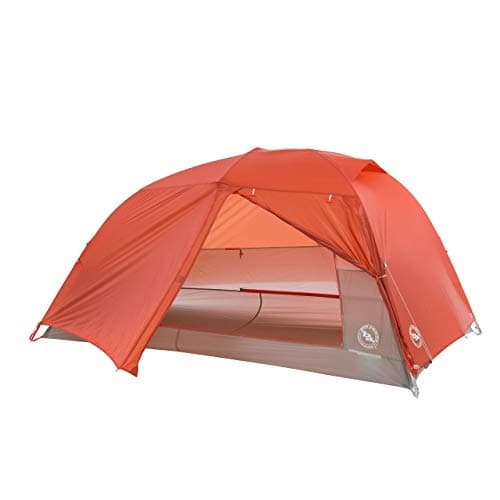
A backpacking tent and a camping tent solve two different problems. A camping tent is furniture — it rides in the truck, so you buy space. A backpacking tent is cargo — every ounce rides on your back for every mile, so you buy the least tent that still keeps you dry, and you pay real money to make it lighter. If your tent will never leave sight of the car, stop here and read our camping tents guide instead; you will get twice the space for half the price.
Still with us? Good. This guide is research-based — published manufacturer specs, independent testing from OutdoorGearLab, CleverHiker and Switchback Travel, and consistent owner-feedback patterns — not a claim that we slept in all five. We start with the four criteria that drive the decision, then five picks that each win a different job. Prices below are approximate mid-2026 brackets; always verify current pricing.
Weight: the spec you carry every mile
Tent makers publish two numbers. Trail weight (or minimum weight) counts the tent body, fly, and poles only; packed weightadds stakes, guylines, and stuff sacks — the number your pack actually feels. Compare like to like, and assume you will carry something close to packed weight.
| Under 3 lbs (2P) | Ultralight territory - the Copper Spur and Dragonfly class. Expect delicate fabrics and premium prices |
|---|---|
| 3-4.5 lbs (2P) | The lightweight sweet spot - durable enough for hard use, light enough for big miles |
| 5+ lbs (2P) | Budget and burly tents - fine for weekends and short approaches, split the load between two hikers |
The per-person math matters more than the headline: a 5-pound two-person tent split between two hikers is 2.5 pounds each — lighter per person than many solo shelters. Couples and hunting partners can carry a cheaper, tougher tent than a solo hiker can justify.
Freestanding vs trekking-pole
Most backpacking tents are freestanding: dedicated poles hold the shape, so the tent stands on rock slabs, sand, and tent platforms where stakes fail, and you can pick it up and shake it out. Semi-freestanding designs save weight by needing a few stakes at one end. Trekking-pole sheltersdelete tent poles entirely and pitch on the poles you already carry — the lightest option per dollar, with a learning curve and a total dependence on good stake placement.
All five picks below are freestanding or semi-freestanding, because that is the right default for most buyers. If you are gram-counting and comfortable with a staked pitch, direct-to-consumer trekking-pole designs like Durston’s X-Mid line are the value-per-ounce leaders in that niche and worth researching on the maker’s site — we have no affiliate relationship there; it is simply an honest pointer.
Livability: floor area, peak height, doors
Ultralight two-person tents cluster around 28 to 32 square feetof floor — enough for two standard 20-inch pads with inches to spare, which is why two regular hikers fit and two broad-shouldered hikers grumble. Three specs separate a livable tent from a coffin at the same weight:
- Peak height and wall geometry.Around 40 inches lets an average adult sit up. Hub-and-pole architectures with steep walls (the "HV" in Copper Spur HV means high volume) make the same floor feel dramatically bigger.
- Two doors, two vestibules. Non-negotiable for couples. Nobody wants to be crawled over at 2 a.m., and per-person vestibule space keeps packs and boots dry without sharing floor with them.
- Floor width. 50 inches is the standard squeeze; 52-55 inches is noticeably more civilized. Width is where wide-floor designs like the Kings XKG Summit below earn their keep.
Durability and fabric denier
Fabric thickness is measured in denier(D). Ultralight tents run 15-20D flies and floors — strong for their weight but demanding care: pick your site, use a footprint on abrasive ground, keep dogs’ claws out. Budget and crossover tents run 40-75D and shrug off treatment that would hole an ultralight. Waterproof coatings are rated in millimeters of hydrostatic head; 1,200mm+ handles sustained rain, and burlier floors (like the 3,000mm-rated floor on the Kings Summit) buy margin on wet ground.
The picks at a glance
Five tents, five different jobs. Weights are manufacturer-published; prices are approximate mid-2026 street brackets — verify before buying.
| Tent | Packed weight | Floor | Peak height | Best for | Approx. price |
|---|---|---|---|---|---|
| Big Agnes Copper Spur HV UL2 | ~2 lb 11 oz | 29 sq ft | 40 in | Best overall ultralight | ~$550-600 range |
| NEMO Dragonfly OSMO 2P | ~2 lb 10 oz | 29 sq ft | 41 in | Roomiest ultralight feel | ~$550 range |
| MSR Hubba Hubba LT 2 | ~3 lb 6 oz | ~29 sq ft | ~40 in | Lightweight workhorse | ~$500s range |
| Marmot Tungsten 2P | ~5 lb (with footprint) | ~30 sq ft | 42 in | Best budget | under $300 |
| Kings Camo XKG Summit 2P | 4 lb 11 oz | ~33 sq ft (55 in wide) | 41.5 in | Hunting camp crossover | ~$300 range |
Best overall: Big Agnes Copper Spur HV UL2
The Copper Spur HV UL2 has been the reference ultralight freestanding tent for years, and the current version keeps the crown in most independent rankings. At a published 2 pounds 11 ounces packed, it is genuinely ultralight yet fully freestanding, and the high-volume DAC Featherlite pole architecture pulls the walls steep, so its 29 square feet and 40-inch peak feel bigger than the numbers. Two doors, two vestibules, clever awning-mode doors that roll out on trekking poles, and an interior full of pockets round out why testers keep picking it first.
Honest cons: it typically street-prices in the $550-600 range (verify current pricing), and the thin ultralight fabrics reward careful site selection and a footprint — this is a tent you take care of. Broad-shouldered pairs may prefer the wider UL3.
Who it’s for:the backpacker logging real miles who wants the best all-around blend of low weight, freestanding convenience, and livability — and is willing to pay for it.
Roomiest ultralight feel: NEMO Dragonfly OSMO 2P
The Dragonfly OSMO is the Copper Spur’s closest rival, and on interior feel it arguably wins. Published packed weight is 2 pounds 10 ounceswith 29 square feet of floor, but a redesigned ridgepole in the updated version adds headroom at the 41-inch peak, and reviewers consistently describe its space-to-weight ratio as elite. The OSMO fabric is NEMO’s own poly-nylon weave — made without PFAS water-repellent chemistry and claimed to sag less when wet than standard silnylon, which owners corroborate on damp mornings.
Cons: pricing sits in the same premium $550 neighborhood (verify current pricing), the fabrics are similarly thin, and the tapered foot means sleepers over about 6 foot 2 should size up. Between this and the Copper Spur, you are choosing between ecosystems, not tiers.
Who it’s for: the ultralight buyer who prioritizes headroom and modern PFAS-free fabrics, or who simply finds the Dragonfly discounted on a given day.
Lightweight workhorse: MSR Hubba Hubba LT 2
The Hubba Hubba has been the do-everything backpacking tent for two decades, and MSR’s current split of the line gives the LT (lightweight) model the spotlight: a published 3 pounds 6 ounces packed— the lightest Hubba Hubba yet — with the symmetrical two-door, two-vestibule layout and near-vertical walls the line is known for. What you gain over the sub-3-pound class is a reputation for weather-worthiness and frame stability that MSR built the name on; what you give up is about half a pound.
Cons: it is priced like a premium tent (typically in the $500s — verify current pricing) while weighing more than the Copper Spur class, which is exactly why it suits buyers who rank durability and storm confidence a notch above grams. MSR also sells a heavier-duty HD version for four-season-adjacent abuse.
Who it’s for:the backpacker who wants one tent for a decade of mixed trips — maintained trails, exposed sites, variable weather — and will trade a few ounces for peace of mind.
Best budget: Marmot Tungsten 2P
The Tungsten 2P is the perennial answer to "light enough, tough enough, under $300." Published weight is about 5 pounds packed— and Marmot includes the footprint in that, which budget rivals rarely do — with two doors, two vestibules, a full-coverage seam-taped fly, a 42-inch peak, and pre-bent poles that pull the walls steeper than its price class deserves. Split between two people, it is 2.5 pounds each: entirely reasonable trail weight for weekend mileage.
Cons: solo hikers will feel every one of those five pounds, the packed size is bulky next to the ultralights, and in sustained wind it wants its guylines. None of that dents the value — independent reviewers keep it on best-budget lists year after year for a reason.
Who it’s for:new backpackers, couples, and anyone whose trips are weekends rather than thru-hikes. Buy this, spend the $250 you saved on a good sleeping bag — our sleeping bag guide shows where it goes furthest.
Hunting crossover: Kings Camo XKG Summit 2P
Here is the niche pick for the readers this site serves first: hunters who backpack. Kings Camo’s XKG Summit 2P is a true two-door, two-vestibule backpacking tent built for spike camps — 4 pounds 11 ounces packed (2 pounds 13 ounces minimum), with an unusually wide 55-inch rectangular floor that Kings bills as 15-30 percent wider than comparable 2P tents, a 41.5-inch peak with a crossbar that stretches the walls, a 20-denier silicone/PU fly, a 3,000mm-rated 40-denier floor, and a low-visibility olive-and-charcoal colorway that does not flag your camp to every elk in the basin. The footprint comes included, and it typically sells right around the $300 mark (verify current pricing).
Honest cons: it is a pound and a half heavier than the premium ultralights above, the brand’s dealer network is thinner than Big Agnes or MSR if warranty service is ever needed, and if you do not care about the subdued colorway, the Tungsten does the weight-and-width job for less. But for a two-hunter early-season spike camp, wide floor plus real vestibules plus quiet colors is exactly the right spec sheet.
Who it’s for: backcountry hunters and hikers who want their shelter to disappear into the hillside. We cover the rest of the XKG line in our Kings XKG review.
The bottom line
Decide what the ounces are worth to you. Logging serious miles, buy the Big Agnes Copper Spur HV UL2 — or the NEMO Dragonfly OSMO 2P if headroom and PFAS-free fabric tip your scale. Want one storm-confident tent for a decade of mixed trips, the MSR Hubba Hubba LT 2 is the workhorse. Weekending on a budget, the Marmot Tungsten 2P is the honest value, and if your pack smells like elk season, the Kings Camo XKG Summit 2Pis the crossover built for the job. And if the tent never leaves the truck — buy from the camping tents guide instead and pocket the difference.
Frequently asked questions
What is the difference between trail weight and packed weight?
Trail (minimum) weight counts only the tent body, rainfly, and poles. Packed weight adds stakes, guylines, and stuff sacks - the number your pack actually carries. Manufacturers advertise the flattering trail weight, so always compare packed weights between tents, and expect to carry something close to that figure.
How heavy is too heavy for a backpacking tent?
Divide by the people carrying it. Under 3 pounds packed is ultralight for a 2-person tent; 3-4.5 pounds is the durable sweet spot; 5+ pounds is fine for weekend trips when split between two hikers (2.5 pounds each) but punishing for a solo hiker on long miles. Match the weight to your mileage, not to a forum's ideal.
Are freestanding tents better than trekking-pole tents?
Better for most people, lighter for a few. Freestanding tents pitch anywhere - rock, sand, platforms - and are far more forgiving to set up. Trekking-pole shelters delete pole weight entirely and cost less per ounce saved, but demand solid staking and some practice. If you don't already hike with trekking poles, freestanding is the clear default.
Do I need a footprint under my backpacking tent?
With ultralight 15-20 denier floors, it's cheap insurance on abrasive or rocky ground, though careful site selection can substitute. With burlier 40-70 denier floors it's optional. Note that some tents - the Marmot Tungsten and Kings XKG Summit among them - include the footprint in the box, which is real value the spec sheets undersell.
Can I use a backpacking tent for hunting?
Yes - a backpacking tent is standard kit for spike camps. Hunters should weigh two extra factors: a subdued colorway that doesn't advertise camp (the olive/charcoal Kings Camo XKG Summit 2P is built around this), and a floor wide enough for two hunters plus rifles or bows under the vestibules. Durability also matters more than grams when you're camping off-trail.
Sources
Keep reading
Gearing up before your next hunt?
See how we evaluate gear, then dig into the reviews and buying guides — written without inventory to sell.