Buying Guide
Best Sleeping Bags: How to Choose (2026)
The number on the bag is not the temperature you will sleep warm at. Here is how ISO ratings actually work, when down beats synthetic, and five bags that earn their spot - from a $170 workhorse to an ultralight favorite.
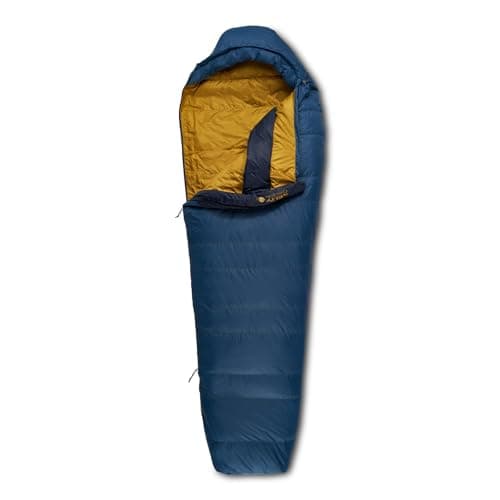
More cold nights are ruined by misread temperature ratings than by bad sleeping bags. The "20" on a 20-degree bag is almost never the temperature at which you will sleep comfortably — it is usually the survival-adjacent lower limit, and the difference between the two numbers is roughly a fleece jacket’s worth of warmth. So before any picks, this guide explains the rating system, the down-versus-synthetic decision, and the shape and weight trade-offs — then five bags chosen from published specs, independent lab-style testing at outlets like OutdoorGearLab and CleverHiker, and consistent owner feedback. We do not invent prices; brackets below are approximate and worth verifying.
One scope note: these are three-season bags for camping and backpacking — the range that covers roughly 95 percent of buyers. Deep-winter expedition bags are a different purchase with different math.
Temperature ratings: comfort vs limit (read this first)
Most quality bags are tested to the ISO 23537 standard (the successor to EN 13537), which produces several numbers from the same test:
| Comfort | The temperature at which a cold sleeper (test standard: an average woman) sleeps comfortably, relaxed posture |
|---|---|
| Lower limit | The temperature at which a warm sleeper (test standard: an average man) can sleep curled up without waking from cold |
| Extreme | A survival number - hypothermia-risk territory. Ignore it when shopping |
The catch: the big number on the bag is usually the lower limit, not the comfort rating.A "15-degree" bag often carries a comfort rating in the mid-20s. The REI-style rule of thumb that follows from the standard: if you sleep cold — and many women and lean sleepers do — shop by the comfort number; if you sleep warm, the limit number is a reasonable guide. When in doubt, buy the comfort rating for the coldest night you expect, and remember ISO tests assume you are on an insulated pad and wearing a base layer.
Down vs synthetic
Fill is the biggest fork in the road, and the honest answer is that each side wins real scenarios:
- Downoffers the best warmth-to-weight ratio and compressibility made, and quality down outlasts synthetic fills by years. Fill power (550, 650, 850) measures loft per ounce — higher numbers mean lighter, more packable warmth at higher cost. The weakness is moisture: soaked down clumps and stops insulating, which is why most modern down is treated with a hydrophobic finish that delays (not defeats) wet-out.
- Synthetic fills keep insulating when damp, dry fast, tolerate careless storage, cost less, and dodge allergy concerns. The price is bulk: a synthetic bag of equal warmth is heavier and packs larger, and the fill slowly loses loft with repeated compression.
The practical split: down for backpackers watching ounces and campers in dry climates; synthetic for wet climates, canoe and coastal trips, beginners, and car campers who don’t pay a bulk penalty. Hunters running early-season spike camps out of a backpacking tent generally go down for the pack size and pair it with a shelter that keeps condensation managed.
Shape and fit
A bag warms you by trapping air your body heats, so fit is thermal, not just comfort. Mummybags taper tight for maximum warmth per ounce — and feel restrictive if you toss and turn. Rectangular bags are roomy and cheap but waste heat through dead air. The interesting middle is the spoon shape NEMO builds the Disco and Forte around: extra girth at the elbows and knees so side sleepers can actually shift positions, with a mummy-style hood and footbox. If you sleep on your side — most people do at least part of the night — shape will affect your sleep more than 5 degrees of rating.
Weight and packed size
For car camping, ignore this section — buy warmth and room. For backpacking, the bag is one of your "big three" weights alongside shelter and pack. Benchmarks for a 20-ish-degree bag: under 2 pounds is ultralight (premium 850-fill down territory), 2 to 3 pounds is the mainstream down sweet spot, and 3.5 pounds and upis where warm synthetics land. Packed size tracks the same line — premium down disappears into a pack corner; budget synthetic claims a quarter of a weekend pack.
The picks at a glance
Five bags, five jobs. Weights are manufacturer-published regular-size figures; prices are approximate mid-2026 brackets — verify before buying.
| Bag | Fill | Comfort / limit | Weight | Best for | Approx. price |
|---|---|---|---|---|---|
| Kelty Cosmic Down 20 | 550-fill down | ~32F / ~21F | ~2 lb 10 oz | Best value down | ~$170 range |
| Sea to Summit Spark 15 | 850+ down | ~25F / ~15F class | ~1 lb 10 oz | Ultralight miles | ~$500 range |
| NEMO Disco 15 Endless Promise | 650 hydrophobic down | ~25F / ~15F class | ~2 lb 11 oz | Side sleepers | ~$300-350 range |
| Marmot Trestles Elite Eco 20 | Recycled synthetic | ~30F / ~20F class | ~3 lb 8 oz | Wet trips, budget | ~$150-180 range |
| NEMO Forte Endless Promise 20 | Recycled synthetic | ~30F / ~20F class | ~3 lb class | Roomy camp comfort | ~$200 range |
Best value down: Kelty Cosmic Down 20
The Cosmic Down 20 has been the default first down bag for a decade because it keeps nailing the same brief: real 550-fill hydrophobic down, a temperature rating that independent testers repeatedly call accurate (comfort around 32F, limit around 21F), a smooth liner fabric reviewers single out, and a price that regularly sits near $170(verify current pricing) — hundreds less than the premium bags it competes against. At roughly 2 pounds 10 ounces it is entirely carryable for weekend and moderate backpacking.
Honest cons: 550-fill down means it packs bigger and weighs more than 800-fill bags, the cut is fairly standard mummy (restless sleepers should look at the Disco below), and the zipper can snag. But dollar-for-warmth, nothing on this list touches it.
Who it’s for: first-bag buyers and budget-minded backpackers who want real down warmth without a premium spend.
Best ultralight: Sea to Summit Spark 15
Sea to Summit’s revamped Spark line is where serious weight savings live without going to a quilt. The Spark 15 packs premium 850+ fill-power down into a published 1 pound 10 ounce package that compresses to almost nothing, with a slim-but-not-punishing cut (61-inch shoulder girth) and a liner fabric testers describe in near-luxury terms. Reviewers who slept it through late-October High Sierra wind and cold came away calling it genuinely warm for its weight class.
Honest cons: expect pricing around the $500 mark(verify current pricing), the slim cut and delicate ultralight shell are trade-offs you accept knowingly, and cold sleepers should treat it as a mid-20s comfort bag, not a 15-degree one — exactly the comfort-versus-limit gap explained above.
Who it’s for: backpackers and backcountry hunters counting base weight in single pounds, for whom warmth-per-ounce is the metric that matters.
Best for side sleepers: NEMO Disco 15 Endless Promise
The Disco is the bag that finally admitted most people do not sleep on their backs like a mummy. Its spoon shapeadds girth at the elbows and knees so you can roll and bend, and NEMO’s signature Thermo Gill vents let you dump heat on mild nights without unzipping. The current Endless Promise version uses 650-fill hydrophobic down with recycled shell fabrics and is designed to be repairable, resellable, and fully recyclable — plus draft collar and zipper draft tubes that reviewers credit for honest cold-night performance. Published weight is about 2 pounds 11 ounces.
Honest cons: the roomy cut needs more fabric and fill, so it is heavier and bulkier than a slim mummy at the same rating — that is the price of rolling over comfortably. Street pricing typically lands in the low-to-mid $300s (verify current pricing).
Who it’s for:side sleepers and restless sleepers backpacking real miles who have decided a perfect night’s sleep is worth a few ounces.
Best synthetic: Marmot Trestles Elite Eco 20
The Trestles Elite Eco 20 is the no-nonsense answer for wet climates and rough handling: recycled synthetic fill that keeps insulating when damp, a durable shell, and a temperature rating reviewers describe as dependable rather than optimistic — all at a street price typically in the $150-180 range (verify current pricing). OutdoorGearLab and CleverHiker both keep it on their lists as the synthetic workhorse, and it asks none of the storage care down demands.
Honest cons: at a published 3 pounds 8 ouncesand a packed size near 9.5 by 19 inches, it is bulky even by synthetic standards — a real cost in a small pack. And like all synthetics, its loft will slowly fade over years of compression where down would soldier on.
Who it’s for: canoe campers, coastal and Pacific Northwest trips, beginners, and anyone who would rather not baby their gear.
Camp comfort synthetic: NEMO Forte Endless Promise 20
The Forte takes the Disco’s side-sleeper spoon shape and executes it in recycled synthetic insulation, which lands it in a sweet spot for campers: roomy where you bend, damp-tolerant, machine-manageable, and typically priced around the $200 mark(verify current pricing) — with the same repair-and-recycle Endless Promise design as its down sibling, plus Thermo Gill vents for warm nights.
Honest cons: it is in the 3-pound class and packs big, so it is a marginal choice for long backpacking miles — treeline reviewers slot it as the comfort pick for camping and short hauls, and we agree with that framing. Backpackers should pay up for the Disco or slim down to the Spark.
Who it’s for: car campers and short-haul trippers who sleep on their side and want one affordable, forgiving bag. Pair it with a real pad and a tent from our camping tents guide and cold-night complaints mostly disappear.
The bottom line
Still deciding on fill? Our head-to-head on synthetic vs down sleeping bags works through warmth-to-weight, wet performance, lifespan and care in detail.
Buy the comfort rating, not the marketing number, and put half your attention on the pad under you. From there it is honest matching: the Kelty Cosmic Down 20 is the value benchmark, the Sea to Summit Spark 15 is the ultralight splurge, the NEMO Disco 15 fixes side-sleeping in a down bag, and the Marmot Trestles Elite Eco 20 and NEMO Forte 20cover wet trips and camp comfort in synthetic. Whatever you pick, store it uncompressed and it will outlast several tents — speaking of which, our camping stove guide covers the other half of a comfortable camp: hot food.
Frequently asked questions
What is the difference between ISO comfort and lower limit ratings?
Both come from the same ISO 23537 lab test. Comfort is the temperature at which a cold sleeper (standardized as an average woman) sleeps comfortably; lower limit is where a warm sleeper (standardized as an average man) can sleep curled up without waking. The number in a bag's name is usually the lower limit, so a '15-degree' bag often has a mid-20s comfort rating. Cold sleepers should shop by comfort; warm sleepers can use the limit.
Is down or synthetic better for a sleeping bag?
Down wins warmth-to-weight, packed size, and lifespan - the backpacker's choice in most climates, especially with modern hydrophobic treatments. Synthetic keeps insulating when damp, dries faster, costs less, and tolerates careless storage - better for wet climates, paddling trips, beginners, and car camping where bulk doesn't matter.
What temperature rating do I need for three-season camping?
A bag with a comfort rating around 25-32F (typically sold as a '15' or '20-degree' bag) covers most three-season use in the mountains and shoulder seasons. Summer-only campers at low elevation can run a 30-40F comfort bag. Remember the rating assumes an insulated pad (R-value roughly 2-4 for three seasons) and a base layer.
Why am I cold in a bag rated well below the night's temperature?
Usually one of four things: you shopped by the limit rating but sleep cold; your pad's R-value is too low and the ground is stealing heat; the bag is too big or too small, creating dead air or compressed insulation; or you went to bed cold and dehydrated. Fix the pad and the rating interpretation first - they explain most cold nights.
How should I store a sleeping bag between trips?
Uncompressed - hanging or loose in a large mesh or cotton storage sack, never in its stuff sack. Long-term compression permanently damages loft in both down and synthetic fills (synthetic suffers faster). Make sure it's fully dry first, and wash it rarely, with the fill-appropriate cleaner.
Sources
- OutdoorGearLab - best backpacking sleeping bag of 2026
- CleverHiker - best backpacking sleeping bags of 2026
- Enlightened Equipment - down vs synthetic insulation
- Treeline Review - NEMO Disco Endless Promise review
- OutdoorGearLab - Marmot Trestles Elite Eco 20 review
- Switchback Travel - best backpacking sleeping bags
Keep reading
Gearing up before your next hunt?
See how we evaluate gear, then dig into the reviews and buying guides — written without inventory to sell.