Buying Guide
Best Turkey Calls: What Each One Actually Does
A mouth call, a pot call and a box call are not three answers to the same question. They are three tools for three different moments in a hunt, and the weather decides which ones you can still run. Here is how the categories really work, and eleven calls worth carrying.
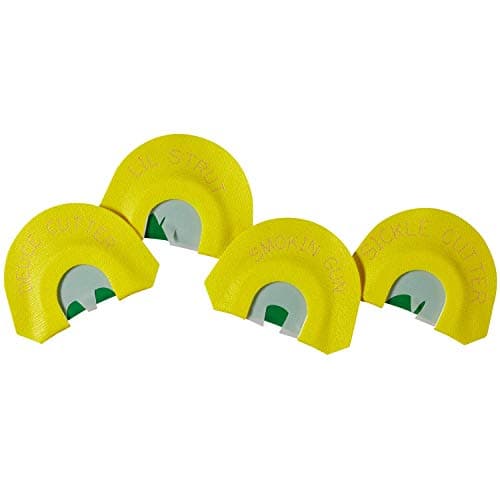
Almost every turkey call roundup ranks calls against each other, as though a box call and a mouth call were competing for the same slot in your vest. They are not. A box call is how you find a bird half a mile away in wind. A pot call is how you work him once he answers. A mouth call is how you finish him at forty yards with your hands on the gun and a gobbler looking straight at you.
Buy them in that order of usefulness rather than that order of volume, and the category stops being confusing. Our spring turkey gear guidemakes the case that calls are the highest-value purchase in turkey hunting — the only piece of gear that brings the bird to you rather than hiding you from him. This page is the follow-through: what separates the families, what the specs on the packaging actually mean, and which calls are worth the money.
Three families, three jobs - not a ranking
The three call types are usually presented as a difficulty ladder: box call for beginners, pot call next, mouth call for the experts. That framing is wrong in a way that costs hunters birds, because it implies you graduate off the easy ones. You do not. Competition callers carry all three, and so should you, because each covers a moment the others cannot.
- The box call is the loudspeaker. It is the loudest friction call you can buy and the one that cuts through wind, rain noise and distance. Its job is locating: you are trying to make a bird somewhere out there answer, so you know where to set up. Nobody works a bird at thirty yards with a box call, because running one takes two hands and a lot of movement.
- The pot call is the conversation. A pot (often called a slate or friction call, though the surface is not always slate) gives you the most realistic soft yelps, clucks and purrs of anything on the market, with a huge dynamic range from barely audible to loud. It is what you use once a bird has answered and is coming. It still needs two hands.
- The mouth call is the closer. A diaphragm goes in your mouth and stays there, which means it is the only call you can run with a shotgun mounted and a gobbler in range. That single property is why it is the highest-value call in the sport, and it is why our turkey gear guide puts a pack of diaphragms first in the buying order.
There is a fourth item that gets lumped in and should not be: the locator call. A crow, owl or coyote call is not a turkey sound at all. It exists to make a gobbler shock-gobble and give away his position without telling him a hen is nearby. Different job, different call, and the reason it belongs in the vest is that it lets you find a bird without starting a conversation you are not set up for yet.
Reed count and cut are a difficulty setting, not a quality setting
The wall of diaphragm calls at any sporting goods store is the single most confusing display in hunting retail: batwing, ghost cut, split V, combo cut, cutter, two reed, two and a half, triple. It reads like a quality ladder where the raspy expert calls cost more. It is not a quality ladder. It is a difficulty ladder, and buying the wrong end of it is the most common reason people decide they “cannot run a mouth call.”
The National Wild Turkey Federation puts the rule about as plainly as it can be put: pick calls with one or two reeds and no cuts to practice basic yelping fundamentals, and leave the multiple-reed, heavily cut diaphragms to more experienced callers. The mechanism is straightforward — fewer, thinner reeds need less air and give softer clucks and yelps, while more reeds and thicker latex need more breath and produce lower, louder, raspier sound. Raspy cuts also, as the NWTF notes, help cover a veteran’s mistakes, which is exactly why they punish a beginner’s.
The cuts themselves are not mysterious once you know what each one is for:
- No cut / plain double reed. Cleanest front end, most forgiving, least rasp. Where every first-time caller should start.
- V-notch and split V. A notch cut into the top reed creates two vibrating surfaces and adds moderate rasp without demanding much more air.
- Batwing. A clear front-end yelp that rolls into a raspy back end. Good for soft calling and for reaching out.
- Ghost and combo cuts. More vibrating sections, more rasp, more tonal complexity, and more air and tongue control required to keep it clean.
On a pot call, the surface is the sound - and the striker is half of it
A pot call makes noise when a striker tip drags across a friction surface. The pot and the soundboard shape the tone, but the surface material sets the character, and it is the one spec on the package that tells you what the call will actually sound like.
- Slate is the softest and the most forgiving. It grabs the striker, which makes clucks and purrs easier to execute cleanly, and it produces mellow, natural hen yelps. What it will not give you is the high, sharp edge that carries across a ridge.
- Glass and crystal sit higher in pitch with more edge, and they project noticeably farther than slate. Crystal is the least forgiving of a dirty or unconditioned surface, which is the trade for how clean it sounds when it is right.
- Aluminum is the brightest and loudest surface commonly sold, with a sharp rasp that is genuinely useful on windy days and on birds that have gone quiet after two weeks of pressure.
The striker matters as much as the surface, and it is the cheapest way to change a call’s voice. A dense hardwood or carbon striker on a glass surface sounds nothing like a soft wood striker on the same call. If you own one pot call and want a second hen in your setup, buy a second striker before you buy a second call.
Weather decides which call you can run
This is the section most roundups skip, and it is the one that actually changes what you carry. Friction calls work by friction, and water is a lubricant.
Slate is the casualty.A wet or even heavily damp slate surface goes silent, and so does a soaked wooden striker tip. Uncoated wooden box calls suffer the same way — a wet paddle on a wet rail does not chirp, it slides. Glass, crystal and aluminum hold up far better because their surfaces do not absorb water, and pairing them with a waterproof or carbon striker keeps them usable in conditions that kill a slate call outright. Several makers now sell strikers specifically for running glass and slate pots with a wet surface, and box calls with a waterproof coating on both the box and the paddle exist for exactly this reason.
The mouth call is the one that never cares. It lives in your mouth, dry, all day, in any weather. That is the second reason it earns the first slot in your buying order, and the reason a hunter with only diaphragms is never actually out of the game.
Conditioning: why a good call goes dead, and how to fix it
The most common turkey call failure is not a broken call. It is a call whose surface has been polished smooth by use, contaminated by finger oils, or was never properly broken in out of the package. It squeaks, or it slides, or it just sounds thin, and the owner concludes the call is junk.
Conditioning is the fix, it takes under a minute, and the abrasive depends on the surface. Dustin Jones — who won the friction division of the 2025 Grand National Calling Championship and took the DD Adams award for best pot call at the NWTF convention — laid out his method in Outdoor Life, and it is more specific than the usual advice to “scuff it up”:
- Slate: a maroon Scotch-Brite pad on darker slates, green on gray slate, or 220-grit sandpaper. Strokes in one direction give a raspier sound and better striker grip; back-and-forth raises the pitch.
- Glass and crystal: a conditioning stone to break in a new call, then around 120-grit sandpaper for maintenance, coarser if you want more rasp. Keep pressure off the corners of the stone so you do not dig a divot in the surface.
- Aluminum:220-grit or a red Scotch-Brite pad, worked as a cross-hatch — two passes at intersecting 45-degree angles — so the striker cannot skate along a single set of grooves.
- The striker itself needs conditioning too, and Jones is specific that a Scotch-Brite pad eventually just polishes it. Worn 150-grit sandpaper held in your palm, spinning the tip under light pressure, is what keeps the texture.
Two habits go with this. Do not touch the playing surface with your fingers — the oil is the contamination. And on a box call, chalk the paddle with a proper oil-free and wax-free box call chalk, not blackboard chalk, which is typically wax-based and will glaze the wood rather than grip it.
Diaphragms need care of a different kind. The NWTF’s advice is to rinse them with mouthwash or tap water after a hunt, put a toothpick between the reeds, air dry them out of sunlight for a few hours, then store them in their case in the refrigerator. Latex that dries stuck together or bakes in a truck console is latex that has lost its tone.
One legal line worth knowing before you buy
Everything on this page is a mechanical call, and that is deliberate. Electronic and recorded calls are prohibited for turkey hunting in a large majority of states. Virginia’s Department of Wildlife Resources states it flatly in both its fall and spring turkey regulations: it is unlawful to use electronic calls. Other states word it differently — some also ban electronically amplified calls, motorized decoys, or possession of an electronic call while turkey hunting, and a handful permit them.
The rule is state-specific and it changes, so check your own regulations before each season. If you are new to the species, our guide to what to wear turkey hunting covers the other rule that catches people out, which is never wearing red, white or blue in the turkey woods.
What we looked for
- A stated job.Every pick below is here because it does one of the four jobs — locate, work, close, maintain — better than the alternatives at its price, not because it is a “good call” in the abstract.
- A published surface or reed spec. If a pot call does not tell you what the surface is, or a diaphragm does not tell you the reed count and cut, you cannot predict what it sounds like. Nothing vague made the list.
- An honest entry price. Turkey calling is one of the few corners of hunting where the cheap option genuinely works. Where a budget call is the right answer, it is named as the budget answer rather than buried under a premium pick.
- Currently purchasable. Every pick was checked for stock and price on the date this guide was published. Where stock was thin on that date, it is stated in the write-up rather than glossed over.
What you will not find here is a claim that we shot a bird with each one. We have not field-tested eleven turkey calls side by side, and saying otherwise would be the kind of invented testing this site exists to avoid. What this guide does is sort a confusing category by what each tool is for, using manufacturer specs, published championship-caller technique and verified current availability.
The picks at a glance
| Call | Type | Surface / reeds | Job it does |
|---|---|---|---|
| H.S. Strut Premium Flex 4-Pack | Diaphragm | Four cuts, flexible frame | Learning, and finding the cut that fits you |
| Zink Z-Pak | Diaphragm | Double, triple and V-notch double | Three named cuts that teach the differences |
| WoodHaven Ninja Hammer | Diaphragm | Single premium call | One good mouth call to carry all season |
| Slayer Close Talker | Diaphragm | Built for soft hen yelps and purrs | The last twenty yards |
| Primos Ol' Betsy | Pot call | Slate | Soft, forgiving, cheapest way into friction calling |
| WoodHaven Cherry Classic Crystal | Pot call | Crystal on cherry | High, clean, carries - the buy-once pot call |
| WoodHaven Fusion Aluminum | Pot call | Aluminum | Loudest and brightest; wind and pressured birds |
| Quaker Boy Grand Old Master | Box call | Wood | Locating on a budget |
| Primos Waterboard | Box call | Waterproof-coated mahogany and canary | Locating in rain |
| Primos Power Crow | Locator | Crow | Shock gobbles without starting a conversation |
| Bone Collector Call Scratcher | Accessory | Conditioning tool | Keeps every friction call above working |
Cheapest honest way to learn: H.S. Strut Premium Flex 4-pack
If you have never run a diaphragm, this is the purchase. Four calls with different cuts on a flexible frame, for roughly the price of a box of shells, which is exactly the right way to buy your first mouth call — because the variable you are solving for is not quality, it is which frame and which cut seal against your palate. One of the four will feel obviously easier than the others, and that is the information you paid for.
The flexible frame is the specific reason to start here rather than with a single premium call. A flex frame conforms to the roof of the mouth more readily, which removes the most common first-week failure, and Hunters Specialties builds the same idea into a small-frame starter pack for youth hunters and smaller palates.
Honest cons:thin flexible frames and light latex do not last as long as a premium call — treat these as a season of practice rather than a lifetime purchase. A four-pack also means, by design, that two or three of the cuts will not suit you. That is the point of the pack, but it is not what you want to hear if you were expecting four usable calls.
Best starter pack that teaches the cuts: Zink Z-Pak
The Z-Pak is the pack we would hand someone who wants to understand the category rather than just own a call, because Zink names the construction of each of the three calls instead of leaving you to guess: a double-reed yelper, a triple-reed cutter, and a V-notch double-reed combo. Run them back to back and the entire reed-count-and-cut lesson from earlier on this page becomes obvious in about ten minutes — you can hear the air demand go up and the rasp come in as you move through the three.
Zink also builds these by hand, and the tone quality is a real step above bulk multi-packs. If the four-pack above taught you which frame fits, this is the sensible second purchase.
Honest cons: it costs roughly twice what a basic multi-pack costs for one fewer call, and a triple-reed cutter is genuinely difficult for a first-season caller. Zink also sells a well-regarded Triple Pak of three hand-built calls that our spring turkey gear guide links to; it was listed as temporarily out of stock on the date this guide was published, which is why the Z-Pak is the pick here.
Best single mouth call to carry all season: WoodHaven Ninja Hammer
Once you know what your mouth wants, you stop buying packs and start buying one call repeatedly. WoodHaven’s Ninja series is where a lot of hunters end up, and the Ninja Hammer is the one to try first: enough rasp to sound like a real hen with some age on her, without the air demand of a full triple-reed cutter. It costs about what one call in a premium three-pack costs, so trying it is cheap.
The practical case for a single premium diaphragm over a pack is consistency. When you have learned a call, you want the next one to be identical, and buying the same model again gets you that. WoodHaven sells the Ninja family as multi-packs too once you know which one you run.
Honest cons:this is not a beginner call. If you are still working on a clean two-note yelp, the rasp will cover nothing and expose everything. And a single call means a single frame size — if it does not seal for you, you have no fallback in the package.
Best mouth call for a bird in close: Slayer Close Talker
Most calling mistakes at close range are volume mistakes. A bird at thirty yards does not need to hear a cutting sequence; he needs to hear a contented hen who has not moved. Slayer builds the Close Talker specifically for that moment — soft hen yelps and purrs — and having one call in the vest that cannot be loud is a genuinely useful constraint when your adrenaline is telling you to call more.
It is the same argument as a soft-talk zone on a conditioned pot call, in a form you can run hands-free with the gun already up. That combination is rare and it is the reason this one earns a slot.
Honest cons: single-purpose by design. It will not locate a bird, it will not cut through wind, and it is the wrong call to own if you are only going to own one. Buy it as the second or third diaphragm in the pocket, not the first.
Best budget pot call: Primos Ol' Betsy Slate
Ol’ Betsy is the reason nobody needs to spend real money to start friction calling. It is a slate surface in a simple pot with a wooden striker, priced under most broadheads, and slate is the forgiving surface — it grabs the striker, which makes the clucks and purrs that are hardest on glass comparatively easy here. For a hunter who wants to add a second call family without a second real purchase, this is it.
Condition it before you hunt it. A new slate surface out of the package benefits immediately from a maroon Scotch-Brite pad or 220-grit worked in one direction, and the difference between a conditioned and unconditioned Ol’ Betsy is larger than the difference between this call and one costing five times as much.
Honest cons: the included striker is basic, and upgrading it is the single biggest improvement available to this call. Slate is also the surface that dies fastest in rain, so this cannot be your only friction call if you hunt wet mornings. Fit and finish are what you would expect at the price.
Best pot call if you buy one for life: WoodHaven Cherry Classic Crystal
There is a real ceiling on what a budget pot call can do, and the Cherry Classic Crystal is what sits above it. Crystal on a cherry pot gives you the high, clean front end that carries across a hollow, with the dynamic range to drop down to a purr without changing calls. WoodHaven is one of the names that turns up repeatedly in competition callers’ hands, and the build quality is where the money goes.
Practical note on price: WoodHaven sells this call directly on its own site, and on the date this guide was published the direct price was slightly higher than Amazon’s. We link where it is actually cheaper, which is the whole point of our buyer-first approach— a link that pays us less is still the right link if it is the better price.
Honest cons:crystal is the least forgiving surface of the three when it is dirty, unconditioned, or touched with bare fingers, so this call demands the conditioning stone routine rather than merely rewarding it. It is also five to eight times the price of the Ol’ Betsy, and it will not make a bird come that the cheap call would have missed — it will just sound better doing it. Stock was thin on the build date.
Loudest pot call: WoodHaven Fusion Aluminum
Aluminum is the brightest, sharpest, loudest friction surface in common use, and it earns a place in the vest for two specific situations: wind, and birds that have gone quiet. A gobbler two ridges over on a breezy morning may simply never hear a slate call. He will hear this one. And a pressured bird that has heard the same mellow slate yelp from four hunters in two weeks sometimes answers a tone he has not been hearing.
Aluminum also holds up better than slate when things get damp, which makes it a sensible second pot call rather than a redundant one.
Honest cons: it is loud in a way that is easy to overuse, and a bright aluminum call at close range is a good way to shut a bird up. Aluminum needs a proper cross-hatch conditioning pattern or the striker skates. And it is a premium-priced call that most hunters should buy third, after a diaphragm and a slate or glass pot.
Best budget box call: Quaker Boy Grand Old Master
The Grand Old Master has been in production long enough to have outlasted most of its competition, and it does the box call job — loud, long-range, easy to get a decent yelp out of on the first afternoon — for about the price of a pot call. If your only reason for owning a box is to locate birds at distance, and it should be, there is very little argument for spending more.
Our own turkey gear guide makes this point in cash terms: a modestly priced box call kills turkeys, and the extra money on a premium box buys you tone and hardware rather than effectiveness. This is the call that argument was written about.
Honest cons:uncoated wood, so it is a fair-weather call — wet paddle, wet rail, no sound. It needs chalking with proper oil-free box call chalk to stay consistent, and it takes two hands and visible movement to run, which rules it out for anything except locating and early working.
Best box call for rain: Primos Waterboard
The Waterboard exists to solve the exact failure described in the weather section above. Primos coats both the mahogany box and the canary wood paddle in a waterproof formula, and states the call is unaffected by repeated soakings — which turns the loudest, longest-range call in the vest from the first thing to fail in rain into one of the few things that still works. It is double-sided, so the two rails give you two tones and let you sound like more than one hen.
On a wet spring morning this is the call that finds you a bird. Pair it with diaphragms for the working and closing, and you have a complete wet-weather setup for less than the price of one premium pot call.
Honest cons:the coating that makes it waterproof also gives it a different, slightly harder voice than a bare wood box — purists will prefer an uncoated call in dry conditions. It is still a two-handed call with all the movement that implies. And stock was down to a single unit on the date this guide was published, so check availability before you count on it.
Best locator: Primos Power Crow
A locator call is the cheapest meaningful upgrade in a turkey vest and the one most often skipped. The logic is simple: a crow call makes a gobbler shock-gobble and reveal his position without telling him a hen is standing nearby. You learn where he is, and he learns nothing, which means you can move and set up properly instead of calling a bird into a spot you have not chosen.
Crow is the all-day option — an owl hooter is the classic pre-dawn and roosting locator, and there are hunters who carry both. If you carry one, carry the crow.
Honest cons: it does not call birds in, so it can feel like a wasted slot to a hunter who wants gear that produces gobblers. Overusing it on the same bird stops producing shock gobbles. And it is loud enough that a badly timed blast at close range is worse than staying silent.
The accessory that keeps every call above working
A conditioning tool is a few dollars of abrasive that keeps every friction call in the vest sounding the way it did when you bought it. A pocket-sized scratcher lives in the vest and gets used on the tailgate, which matters, because the moment you need to condition a call is usually the moment you are already in the woods with a bird gobbling.
If you would rather assemble your own, the components are not exotic: maroon and green Scotch-Brite pads, 120- and 220-grit sandpaper, a conditioning stone for glass, and a piece of worn 150-grit for strikers. Dedicated kits with stones, pads and box call chalk together are also sold, at several times the price of a single scratcher.
Honest cons:it is an accessory, and one you can approximate for almost nothing with sandpaper from the garage. The convenience is real but the performance is not proprietary — buy it for the fact that it fits in a vest pocket, not because it does something sandpaper cannot.
What to buy, in what order
If you are starting from nothing, this is the sequence that gets you hunting fastest for the least money:
- A diaphragm multi-pack. Hands-free, weatherproof, and the only call that works in the last twenty yards. Start with plain double reeds and no cuts.
- A budget slate pot call. Forgiving surface, huge dynamic range, and the realistic soft calling that closes deals. Condition it before you hunt it.
- A locator call. Cheap, and it changes how you hunt mornings.
- A box call. Only once you are hunting country where you need to reach out. Buy the coated one if you hunt rain.
- Premium calls. A better diaphragm and a crystal or aluminum pot, after you know what you actually run.
You can be genuinely dangerous to a spring gobbler for the cost of the first three items. That is the honest headline of this category and it is worth saying plainly, since almost everything else in a turkey vest costs more and does less.
The mistakes that cost birds
- Buying a cutter first.A triple-reed cut call in a beginner’s mouth produces a sound no turkey has ever made. Start plain.
- Never conditioning anything.Most “dead” friction calls are polished, oiled or simply never broken in.
- Touching the playing surface. Finger oil on slate, glass or aluminum is the fastest way to silence a call mid-hunt.
- Calling too much and too loud once he answers. Volume is for locating. Once a bird is coming, the job is to sound uninterested and let him close the distance.
- Carrying only friction calls in wet weather. One diaphragm in your pocket is the difference between hunting and watching.
- Storing diaphragms in a hot truck. Rinse, separate the reeds, dry out of sunlight, case them, refrigerate.
The bottom line
The best turkey call is not a single product, and any page that tells you otherwise is ranking a loudspeaker against a whisper. Buy a diaphragm multi-pack, find the frame and cut that seals in your mouth, and add a conditioned slate pot call for the conversation. That is under the price of a decent pair of boots and it covers the whole hunt except locating, which a cheap crow call and a modest box call handle between them.
Then spend the money on the two things that actually get upgraded: a better diaphragm once you know what you run, and a striker or two for the pot call you already own.
Check the H.S. Strut Premium Flex four-call combo price on Amazon. If you are still building the rest of the kit, our best turkey vests guide covers the pockets these calls actually live in, and best camo for turkey huntingexplains why full coverage matters more against a gobbler’s eyes than against any other animal.
Frequently asked questions
What is the best turkey call for a beginner?
A multi-pack of diaphragm mouth calls with one or two reeds and no cuts. The National Wild Turkey Federation recommends exactly that configuration for learning basic yelping fundamentals, and a pack matters more than a single call because the main variable is whether the frame seals against your palate, which differs from person to person. Add a slate pot call second - slate grabs the striker, which makes clucks and purrs easier than they are on glass.
What is the difference between slate, glass and aluminum turkey calls?
The surface sets the character of the sound. Slate is the softest and most forgiving, producing mellow, natural hen yelps and gripping the striker well for clucks and purrs. Glass and crystal sit higher in pitch with more edge and project farther than slate. Aluminum is the brightest and loudest of the three, with a sharp rasp that is useful in wind and on pressured birds. The striker is roughly half the sound - changing strikers on one pot call is the cheapest way to get a second voice.
Do turkey calls work in the rain?
Mouth calls do, because they stay dry in your mouth. Slate pot calls and uncoated wooden box calls largely do not - a wet surface or a wet striker tip slides instead of gripping. Glass, crystal and aluminum surfaces hold up far better, especially paired with a waterproof or carbon striker, and some box calls carry a waterproof coating on both the box and the paddle specifically so they keep working when soaked. On a wet morning, carry diaphragms as the primary and a glass or aluminum pot as the backup.
How do you condition a turkey pot call?
Match the abrasive to the surface. Dustin Jones, who won the friction division of the 2025 Grand National Calling Championship, uses a maroon Scotch-Brite pad or 220-grit sandpaper on slate, a conditioning stone to break in glass and crystal followed by around 120-grit for maintenance, and 220-grit or a red pad worked as an intersecting cross-hatch on aluminum. Strokes in one direction give more rasp and better striker grip; back-and-forth raises the pitch. Condition the striker tip too, with worn 150-grit rather than a Scotch-Brite pad, which eventually just polishes it.
How many reeds should a turkey mouth call have?
Start with one or two, with no cuts in the top reed. Fewer and thinner reeds need less air and give softer clucks and yelps; more reeds and thicker latex need more breath and produce louder, lower, raspier sound. Cuts such as batwing, ghost, split V and combo add rasp and complexity, and they help an experienced caller cover mistakes while exposing a beginner's. Reed count and cut are a difficulty setting, not a quality ranking.
Do I need a box call if I already have a pot call?
Only if you hunt country where you need to reach out. A box call is the loudest friction call sold and its real job is locating a bird at distance, through wind or rain noise, so you know where to set up. Once a bird answers, a pot call and a diaphragm do the work better and with far less movement. If you hunt tight timber and small properties, the box is the most skippable of the three families.
Are electronic turkey calls legal?
In most states, no. Virginia's Department of Wildlife Resources states in both its fall and spring turkey regulations that it is unlawful to use electronic calls, and many other states word similar prohibitions to also cover electronically amplified calls, motorized decoys, or simply possessing an electronic call while turkey hunting. A small number of states do permit them. Rules are state-specific and change, so check your own regulations each season before relying on anything but a mechanical call.
What chalk should I use on a box call?
Purpose-made box call chalk that is oil-free and wax-free. Standard blackboard or dustless chalkboard chalk is typically wax-based and will glaze the wood rather than grip it, and oil can soak into the paddle and box and damage them. Primos, Woodhaven and several custom makers sell chalk specifically for box calls; light sanding of the contact surfaces plus chalking is all the routine maintenance a wooden box call needs.
How should I store diaphragm calls between hunts?
The NWTF's guidance is to rinse them with mouthwash or tap water after a hunt, place a toothpick between the reeds so they cannot dry stuck together, air dry them for a few hours out of direct sunlight, then return them to the original case and refrigerate them until the next hunt. Latex that dries fused or bakes in a hot vehicle loses its tone, which is the most common reason a mouth call that worked last April does not this one.
Sources
- National Wild Turkey Federation - 'Mouth Calls: Reed All About It' (beginners should choose calls with one or two reeds and no cuts to practice basic yelping fundamentals; fewer, thinner reeds offer softer clucks and yelps while more and thicker reeds are for louder calling; raspy cuts help cover veteran mistakes; everyone's mouth and tongue are different, hence the range of signature cuts; care guidance - rinse with mouthwash or tap water, insert a toothpick between the reeds, air dry away from sunlight, store in the original case and refrigerate)
- Outdoor Life - 'How to Condition Pot Calls: Next Level Tips From a Champion Turkey Caller', Scott Einsmann, quoting Dustin Jones, winner of the friction division of the 2025 Grand National Calling Championship and the DD Adams award for best pot call at the NWTF convention (slate: maroon Scotch-Brite on darker slates, green on gray slate, or 220-grit; single-direction strokes for rasp and grip, back-and-forth for higher pitch. Glass/crystal: conditioning stone to break in, ~120-grit for maintenance, coarser for rasp, keep pressure off stone corners to avoid divots. Aluminum: 220-grit or red Scotch-Brite in an intersecting 45-degree cross-hatch. Strikers: worn 150-grit in the palm, not Scotch-Brite, which eventually polishes the tip)
- Mossy Oak - 'Best Turkey Calls and Sounds to Use on Rainy Days', Heath Wood (synthetic surfaces such as glass, crystal or aluminum paired with carbon or waterproof strikers hold sound in damp conditions; box calls with waterproof coatings project through rainfall noise; push-button calls rely on internal friction rather than an exposed surface; start loud to reach distant gobblers then reduce volume once a bird responds, using soft clucks, short yelp sequences and feeding purrs, since turkeys feed longer on rainy days)
- Virginia Department of Wildlife Resources - turkey hunting regulations and seasons ('It is unlawful to use electronic calls', stated for both fall firearms and spring turkey seasons; decoys and blinds may be used)
- Primos Hunting - Waterboard turkey box call, model PS257 (100% waterproof; waterproof coating on both the mahogany box and the canary wood paddle so the call works wet or dry and is unaffected by repeated soakings; double-sided for multiple hen tones - cutts, clucks, purrs and yelps)
- WoodHaven Custom Calls - direct store listings for the Cherry Classic Crystal and Cherry Real Hen pot calls at $94.99 each on 2026-08-31, higher than the same Cherry Classic Crystal on Amazon on the same date
- Woodhaven Custom Calls - box call chalk product page (premium chalk made specifically for box calls; general industry guidance that box call chalk must be oil-free and wax-free, and that wax-based blackboard chalk should not be used on a box call)
- Houndstooth Game Calls - 'Glass vs Slate vs Aluminum Pot Calls: What's the Difference?' (slate produces softer, mellow tones and grabs the striker for clucks and purrs; glass is higher-pitched with medium rasp and projects farther; aluminum is the brightest and loudest with a sharp rasp useful on tight-lipped birds)
- Product titles, reed and surface descriptions quoted from listing copy, current pricing and stock status verified via the Amazon Creators API, 2026-08-31 (including the Zink Z-Pak's stated double-reed Z-Yelper, triple-reed Z-Cutter and V-notch double-reed Z-Combo; the Zink Triple Pak recorded as temporarily out of stock; the Primos Waterboard recorded with a single unit remaining; the WoodHaven Cherry Classic Crystal recorded with four remaining)
Keep reading
Gearing up before your next hunt?
See how we evaluate gear, then dig into the reviews and buying guides — written without inventory to sell.