Buying Guide
The Best Bowhunting Clothes: Why Quiet Beats Warm
Archery hunting has a clothing requirement rifle hunting does not: you have to draw a bow at fifteen yards without the animal hearing you do it. That changes everything.
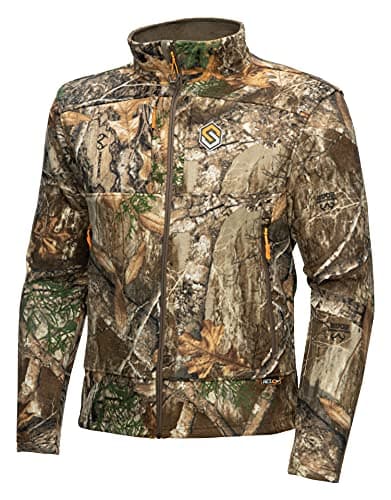
Bowhunting clothing is chosen on two criteria a rifle hunter can largely ignore: how quiet the fabric is when it brushes against itself, and whether the cut lets you draw and hold without the string touching a sleeve. Warmth is the third criterion, not the first.
The reason is range. A rifle hunter is often working at distances where a small noise does not matter. A bowhunter is drawing at fifteen to thirty yards on an animal that has heard everything the woods have made for its whole life. A nylon shell rasping on a nylon sleeve at fifteen yards is an alarm.
What makes bowhunting clothing different
| Fabric noise | Brushed fleece and soft-faced softshell are quiet. Crisp nylon, coated ripstop and most hardshell rain gear are not. This is the first filter and it eliminates most of the market |
|---|---|
| Draw clearance | The string travels close to your chest and inside forearm. Bulky sleeves, loose cuffs, chest pockets and hood cords all sit in that path |
| Range of motion | You need to draw seated, twisted, and sometimes standing on a small platform. Articulated shoulders and a gusseted underarm are functional requirements, not marketing |
| Layer compatibility | Four layers that each add bulk to the chest will change where your anchor point sits. Practice in the clothing you will hunt in - this is not optional |
| Scent management | Archery ranges put you inside a deer's effective scent radius far more often than rifle ranges do, so it matters more here even though it is not magic |
Fabric noise: how to test it before you buy
There is no published noise rating for hunting clothing, so you have to test it yourself. Two methods, both take seconds:
- The fingernail test. Drag a fingernail across the face fabric next to your ear. A rasp or a crackle means the fabric is hard-faced. Brushed fleece produces almost nothing.
- The sleeve-on-sleeve test. Rub the two sleeves together, hard, next to your ear. This is the actual sound a deer hears when you raise a bow. It is the more honest of the two tests, and it catches garments that pass the fingernail test but have a noisy lining.
The fit rules that matter at full draw
- Nothing loose on the bow arm. Cuffs that flap, sleeves that bunch at the elbow, and loose chest layers all live in the string path. A string that touches a sleeve throws the arrow and hurts.
- Watch the chest bulk. Four layers compress differently to two, which moves your anchor point and changes your draw length feel. Shoot in your full late-season kit before you hunt in it.
- Hood cords and collars. Anything that dangles near the string is a hazard. Tuck, tape or cut them.
- Test seated. A jacket that lets you draw standing may bind badly when you are sitting in a stand and twisting to your off side, which is where most shots happen.
- Crossbow hunters get a partial pass. No draw cycle means fewer clearance problems, but fabric noise still matters and so does the ability to shoulder the bow cleanly. See our crossbow guide for the platform side of that.
Best overall: ScentLok Stealth Midweight Fleece
A midweight brushed fleece jacket with ScentLok’s carbon-based odor-adsorbing technology, at roughly $100 (verify current pricing). This is the default archery jacket for a reason: fleece is the quietest common face fabric, and midweight is the range that covers the most of an archery season.
Fleece has a second advantage worth naming. When a branch or a stand rail brushes it, it deadens the contact instead of transmitting it. Hard-faced fabrics turn every incidental touch into a noise.
Honest cons: fleece holds burrs and seed heads, absorbs water readily and is useless in rain without a shell over it. Treat the odor-control claims as a helpful margin rather than as permission to hunt the wrong wind — our honest look at scent control clothing explains why.
Best for cold sits: ScentLok BE:1 Voyage
The BE:1 Voyage at roughly $120(verify current pricing) is the warmer, bow-specific version of the same idea — quiet fleece construction cut around the draw cycle, with more insulation for November sits.
The bow-specific cut is the reason to pay the difference. Shoulders and sleeves are shaped for the draw rather than for a rifle mount, which is a real distinction once you are wearing enough layers for it to matter.
Honest cons: warmer means bulkier, and bulk on the chest changes your anchor. Shoot with it on before you hunt with it on. Same wet-weather limitation as any fleece.
Best system value: Kings XKG
If you are building a whole archery system rather than replacing one jacket, Kings’ XKG line is where the value case is strongest. It is a full layering system — base layers through outerwear — priced well below the premium western brands it competes with on features.
The argument for buying a system rather than assembling one is that the pieces are designed to layer together without adding bulk in the same places. Four jackets from four brands stack badly; a designed system does not.
Our Kings XKG review covers the range in detail, and Kings Camo vs Sitka puts the value argument against the premium brands honestly.
Best matched set: Hunt Quiet jacket and pants
A matched silent jacket and pants set at roughly $130 (verify current pricing). Buying jacket and pants together in the same fabric solves a problem people underestimate: a quiet jacket over noisy pants is a noisy outfit, because your forearm brushes your thigh every time you reach for the bow.
For a hunter starting from nothing, a matched set at this price gets an entire outer layer sorted in one purchase.
Honest cons: sizing on matched sets is less forgiving than buying pieces separately, and the construction quality at this price will not match the ScentLok or Kings options.
Best budget: Carwornic quiet softshell
A fleece-lined camo softshell at roughly $51 (verify current pricing), waterproof- treated and wind-resistant. Softshell sits between fleece and hardshell on both the noise and the weather axes, which makes it a sensible single-jacket compromise.
At this price it is the obvious first archery jacket, or a spare to keep in the truck. Do the sleeve-on-sleeve test when it arrives — softshell face fabrics vary a lot, and a returns window is your friend.
Honest cons: heavier and less breathable than fleece on a warm walk in, and the water resistance is a treatment rather than a membrane, so it wets out in sustained rain.
Gloves, arm guards and the string path
The bow-arm forearm and the release hand are where clothing most often interferes with the shot.
- Thin gloves only on the release hand.Bulk there changes your release feel and can catch the string. A thin liner glove and a hand muff you pull off is the standard solution — our hunting glove guide covers the options.
- An arm guard is not just for beginners. Over multiple layers it flattens the sleeve into a predictable shape and stops the string finding fabric.
- The Nomad VX3 at roughly $45 (verify current pricing) is a warm, water-resistant, quiet glove cut for a performance fit rather than a bulky one, which is the right compromise for the bow hand in cold weather.
Building the whole system
| Layer | Bowhunting priority | Notes |
|---|---|---|
| Base | Moisture movement | Merino or synthetic, fitted. See our base layer guide |
| Mid | Quiet + warmth | Fleece is the archery default. Grid fleece if you walk far |
| Insulation | Packability | Carry it, add it once settled. Bulk here moves your anchor point |
| Shell | Quiet first, waterproof second | Softshell for dry cold, waterproof only when rain is real |
| Extremities | Thin on the release hand | Liner glove plus muff. Heavy gloves ruin release feel |
The sequencing matters as much as the garments. Walk in with base and mid only, add insulation once you are settled, and keep the shell for wind or rain. The full logic is in how to layer hunting clothes, and best camo for whitetail covers pattern selection for the species most bowhunters chase.
Check the ScentLok Stealth Midweight price on Amazon, or browse the Kings XKG system.
Frequently asked questions
What should I wear bowhunting?
Quiet fabrics first: brushed fleece or soft-faced softshell rather than crisp nylon or coated ripstop. Then a cut that keeps the string path clear - nothing loose on the bow arm, no dangling hood cords, articulated shoulders so you can draw seated and twisted. Warmth comes third, because a warm jacket you cannot draw in is useless.
Why does fabric noise matter more for bowhunting?
Range. Bow shots happen at fifteen to thirty yards, where a deer hears a nylon sleeve rasp clearly and reacts before the arrow arrives. Rifle hunters are usually working at distances where the same noise is irrelevant. Fleece deadens incidental contact with branches and stand rails; hard-faced fabrics transmit it.
How do I test whether hunting clothing is quiet?
Rub the two sleeves together hard next to your ear - that is the sound a deer hears when you raise a bow. Also drag a fingernail across the face fabric. Brushed fleece produces almost nothing; crisp nylon and coated ripstop rasp audibly. Do this before you cut the tags off.
Do I need bow-specific hunting clothes?
Not necessarily, but the cut matters more than the label. What you actually need is a garment with articulated shoulders, a gusseted underarm and nothing loose on the bow arm. Bow-specific jackets tend to get those right; general hunting jackets sometimes do. Draw the bow while wearing it, seated and twisted, before deciding.
Can I wear my rain jacket bowhunting?
In genuine rain, yes - a cold soaked hunter shoots worse than a slightly noisier one. But most hardshell rain gear is loud enough to matter at bow range, so keep it for when rain is actually falling rather than wearing it as a wind layer. A soft-faced softshell is the better everyday outer layer for archery.
What gloves should I wear bowhunting?
Thin on the release hand, warmer on the bow hand. Bulk on the release hand changes release feel and can catch the string. The standard solution is a thin liner glove you shoot in plus a hand muff or heavy over-mitt you pull off in one motion when a deer appears.
Sources
Keep reading
Gearing up before your next hunt?
See how we evaluate gear, then dig into the reviews and buying guides — written without inventory to sell.