Camping Guide
Camping Equipment List: What You Actually Need
Most camping lists are inventories of a shop. This one is organized by the four problems a night outdoors actually poses, so you can see what is essential and what is optional.
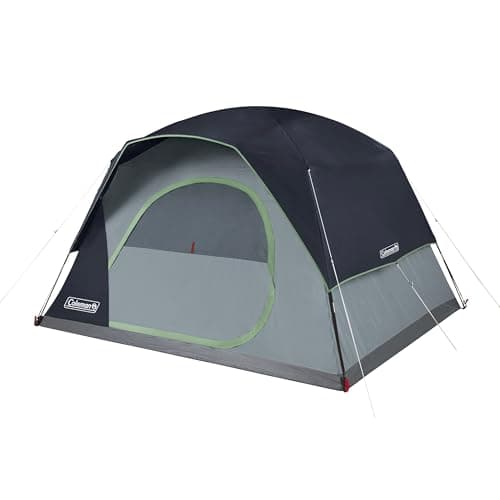
A night outdoors poses four problems: staying dry, sleeping warm, eating and drinking, and being able to see and stay warm after dark. Everything on a camping list either solves one of those or is a comfort.
Organizing the list that way is more useful than an alphabetical inventory, because it tells you what you cannot leave behind and what you can. A camp without a chair is uncomfortable. A camp without a sleeping pad is a camp you leave at two in the morning.
The four problems, in priority order
| 1. Shelter | Something between you and rain and wind. A tent, plus a groundsheet or footprint, plus stakes that will actually hold in the ground you are camping on |
|---|---|
| 2. Sleep | A sleeping bag rated below the temperature you expect, and a sleeping pad. The pad is not a comfort item - it is insulation between you and ground that will pull heat out of you all night |
| 3. Water and food | Drinking water or a way to treat it, a stove and fuel, something to cook in and eat from, and a cooler if you are bringing perishables |
| 4. Warmth and light | Insulating layers for after sunset, a headlamp per person, and a lantern for the shared space. Camp gets cold and dark faster than people expect |
1. Shelter
- Tentsized one person larger than your party. A “four-person” tent fits four sleeping bags and nothing else. Our camping tent guide covers sizing honestly, and the backpacking tent guide covers the weight-driven version.
- Groundsheet or footprint cut slightly smaller than the tent floor. Larger and it channels rain underneath you.
- Stakes appropriate to the ground. The stakes in the bag are usually thin aluminum and bend in hard soil. A set of decent steel stakes is a few dollars and saves a night.
- Guylines and a mallet. An unguyed tent in wind is a loud tent that leaks.
- Tarp for a covered cooking or sitting area. The single highest-value optional item on this page when it rains.
2. Sleep system
- Sleeping bag rated at least 10 degrees below the coldest temperature you expect. Manufacturer ratings are survival-oriented rather than comfort-oriented. Our sleeping bag guide explains the rating system.
- Sleeping pad with an R-value matched to the season. R-value measures insulation from the ground: roughly 2 or less for summer, 4 or above for shoulder seasons, 5+ for cold. Our sleeping pad guide covers the numbers.
- Pillow. An inflatable camp pillow weighs nothing and improves sleep more than its cost suggests. A stuff sack packed with clothing is the free version.
- Dedicated sleep clothing. Dry socks and a base layer you only wear in the bag. Getting into a bag in the clothes you sweated in all day is the reason people sleep cold.
3. Water and food
- Water. Roughly a gallon per person per day for drinking, cooking and washing. If you are relying on a source at the site, bring a filter or purification tablets as backup.
- Stove and fuel.A two-burner propane stove for car camping, a canister stove for backpacking. Bring more fuel than you think — cold weather reduces canister output considerably. Our camp stove guide covers both families.
- Cooler and ice. Block ice lasts far longer than cubed. Pre-chill the cooler the night before, and keep drinks in a separate small cooler so the food cooler stays shut. Our cooler guide covers the ice-retention question.
- Cookware, utensils, plates, mugs. One pot and one pan covers most camp cooking.
- Washing up. Biodegradable soap, a sponge, a small basin, and a way to dispose of graywater away from water sources.
- Trash bags. More than you think. Pack out everything.
4. Warmth and light
- A headlamp per person, plus spare batteries.Hands-free light is not a preference at a campsite — it is how you cook, set up in the dark and find the bathroom. Our headlamp guide applies directly.
- A lantern for the shared space. Rechargeable LED lanterns are cheap, safe inside a tent, and doubling as a power bank is genuinely useful.
- Insulating layers. Camp temperature drops sharply at sunset and you are sitting still. The layering logic in our layering guide applies to camp chairs as much as treestands.
- Firewood, if permitted.Buy local — transporting firewood spreads invasive pests and is restricted in many areas.
Safety and repair
| First aid kit | Plasters, blister treatment, antiseptic, pain relief, tweezers for splinters and ticks, and any personal medication. Blisters and small cuts are the realistic injuries |
|---|---|
| Repair items | Duct tape wrapped around a water bottle, a few zip ties, and a tent pole splint. These fix most trip-ending equipment failures |
| Navigation | A paper map of the area and a compass, plus a downloaded offline map on your phone. Cell coverage at campgrounds is unreliable |
| Fire | Lighter plus waterproof matches plus a ferro rod. Redundancy is cheap here |
| Knife or multitool | Food prep, cutting cord, opening packaging. A basic multitool covers more camp situations than a large knife |
| Power | A power bank. Phones drain fast searching for signal - put the phone in airplane mode to slow it down |
One line item never makes a camping list: the vehicle you arrived in. Once camp sits at the end of a forest road rather than in a campground loop, the truck becomes part of the safety kit — recovery gear you can use alone, radios that still work where the bars run out, and a trauma kit you can reach through an open hatch. Our editor has documented exactly that on his own rig in the 4Runner build log at Steve's Outpost — winch and bumper, the GMRS and CB radios, ditch lights and the kit that lives in the back, photographed project by project.
Genuine comforts, ranked
These are not essential, but they change how much you enjoy the trip. Roughly in order of value per dollar and per cubic foot of car space:
- Camp chairs. Sitting on a log for three evenings gets old immediately.
- A tarp or canopy. Turns a rained-out trip into a normal one.
- A table. Many sites have one; many do not, and cooking on the ground is miserable.
- A doormat for the tent. Absurdly effective at keeping grit out of your sleeping bag.
- A second small cooler for drinks. Keeps the food cooler closed, which is the main variable in how long ice lasts.
- Sandals or camp shoes. Getting out of boots at camp is a genuine pleasure.
What to leave at home
- A giant knife. A multitool does more. See our knife guide if you actually need a blade for processing game.
- Cotton clothing. It holds moisture and does not insulate wet. The same rule as layering for hunting.
- Glass containers. They break and you carry the pieces out.
- More clothes than days. Camp clothing gets dirty on night one regardless.
- A hatchet, unless you are actually processing firewood. Heavy, sharp and rarely used.
Adjusting the list by trip type
The sleeping bag is the one item on this list where trip type genuinely changes what you should own — see synthetic vs down sleeping bags.
| Trip type | Add | Drop |
|---|---|---|
| Car camping, established site | Chairs, table, big cooler, lantern, extra water | Water filter if potable water is on site |
| Backpacking | Water filter, lightweight canister stove, compact pad | Cooler, chairs, table, anything heavy or bulky |
| Cold weather | Higher R-value pad, warmer bag, insulated layers, extra fuel | Nothing - cold trips need more, not less |
| Rain likely | Tarp or canopy, extra dry bags, spare socks, camp shoes | Nothing you would regret |
| With children | Extra lighting, familiar snacks, spare clothing, entertainment | Ambitions about an early start |
| Hunting camp | Game processing kit, meat cooler, headlamps for everyone | Anything noisy or high-traffic near where you hunt |
The condensed list
| Shelter | Tent, groundsheet, stakes, guylines, mallet, tarp |
|---|---|
| Sleep | Sleeping bag, sleeping pad, pillow, dedicated sleep clothing |
| Kitchen | Stove, fuel, cookware, utensils, plates, mugs, cooler, ice, water, soap, sponge, basin, trash bags |
| Light | Headlamp per person, lantern, spare batteries, power bank |
| Clothing | Insulating layer, rain shell, spare socks, camp shoes, hat - no cotton |
| Safety | First aid kit, duct tape, zip ties, pole splint, map, compass, lighter, matches, ferro rod, multitool |
| Comfort | Chairs, table, doormat, second drinks cooler, camp shoes |
Start from that list, then use the trip-type table above to add and subtract. If you are buying rather than borrowing, the sequence that matters is shelter, sleep system, stove — in that order.
Check the Coleman Skydome tent price on Amazon, or start with our camping tent guide.
Frequently asked questions
What equipment do you need for camping?
Four categories cover it: shelter (tent, groundsheet, stakes), sleep (bag and pad), water and food (stove, fuel, cookware, cooler, water), and warmth and light (headlamps, lantern, insulating layers). Everything else on a typical camping list is a comfort rather than a necessity - useful, but not what determines whether the trip works.
What is the most commonly forgotten camping item?
A sleeping pad, or one with an adequate R-value for the season. Ground conducts heat away from you far faster than air does, and the sleeping bag underneath you is compressed flat and insulates almost nothing. A pad does more for a cold night than a warmer sleeping bag will.
How much water do I need for camping?
Roughly a gallon per person per day, covering drinking, cooking and basic washing. Bring it if you are unsure about the site's supply, and carry a filter or purification tablets as backup even when potable water is supposed to be available - taps at campgrounds are turned off more often than you would expect.
What size tent do I need?
One person larger than your party. Tent capacities are calculated from sleeping-bag footprints with no room for gear, so a stated four-person tent fits four bags edge to edge and nothing else. A six-person tent is comfortable for four people plus packs.
What should I not bring camping?
Cotton clothing, which holds moisture and stops insulating when wet; glass containers, which break and have to be carried out; a large knife, which a multitool outperforms in camp; and more clothes than days, because camp clothing is dirty after the first night regardless of how much you packed.
How do I make ice last longer in a camping cooler?
Pre-chill the cooler the night before, use block ice rather than cubed, keep the cooler full since empty air space melts ice faster, keep it in the shade, and run a second small cooler for drinks so the food cooler stays closed. Opening frequency matters more than most people realize.
Sources
Keep reading
Gearing up before your next hunt?
See how we evaluate gear, then dig into the reviews and buying guides — written without inventory to sell.